The best silk for hot weather isn’t simply the thinnest silk on the shelf. A sheer, crisp fabric can feel very different from one that falls close to the body, and the same silk may suit a loose blouse but feel less comfortable in a fitted design.
If fabric descriptions leave you guessing, you’re not alone. Weight, weave and drape all affect how silk feels and moves, so there isn’t one ideal choice for every garment or creative project. Lightweight habotai, airy organza, smooth satin and textured dupion each have different qualities to consider.
This guide compares those options and explains what to check, including weight in momme, opacity and garment cut. You’ll also find practical checks to make before ordering, whether you’re planning a breezy summer layer or a project that needs more structure.
Key Takeaways
- The best silk for hot weather depends on the garment, not just the fabric name. Compare weight, weave, surface and drape together.
- Use the comparison of habotai, organza, satin and dupion to narrow your options by fabric character and the structure your project needs.
- Before choosing, decide how much drape, opacity and ease you want, then check the fabric’s weight and whether the design needs a lining.
- Explore silk by category and check the details for the specific fabric before ordering, rather than relying on a universal “summer silk” rule.
Best silk for hot weather: what should you look for?
A silk fabric can feel airy in one garment and surprisingly substantial in another. The best silk for hot weather depends on more than its name. Consider its weight, weave, surface and drape, as well as how closely the garment fits and whether you’ll wear it in layers. A loose, unlined design may feel quite different from a fitted, lined one made from the same cloth.
Silk type alone can’t predict warm-weather comfort; fabric construction and garment design matter just as much.
Does silk work for summer clothing?
It can, but not every silk will feel the same in warm weather. Different weaves and weights create different fabric characters, while fit affects how much space there is between the cloth and your body. A lining adds another layer, and close-fitting cuts can change how a garment sits and feels. For an overview of the properties of silk, including its physical characteristics, see Wikipedia. For a specific project, assess the fabric and finished design rather than relying on the fibre alone.
Which fabric details matter most?
Start with the product specification. Weight indicates how substantial a fabric is; weave describes how its yarns are interlaced, shaping its surface and structure. Check the stated weight rather than relying on a broad label such as “lightweight”. Then consider how the fabric needs to behave in your design:
- Opacity: Will it provide enough coverage, or will the garment need a layer beneath it?
- Drape: Should it fall softly, or hold a more defined shape?
- Surface and ease: Does the texture suit your preference, and will the cut leave room to move?
Begin with the garment you have in mind. A loose silhouette may call for different qualities from a structured piece, even if both are intended for summer.
How habotai, organza, satin and dupion compare for warm weather
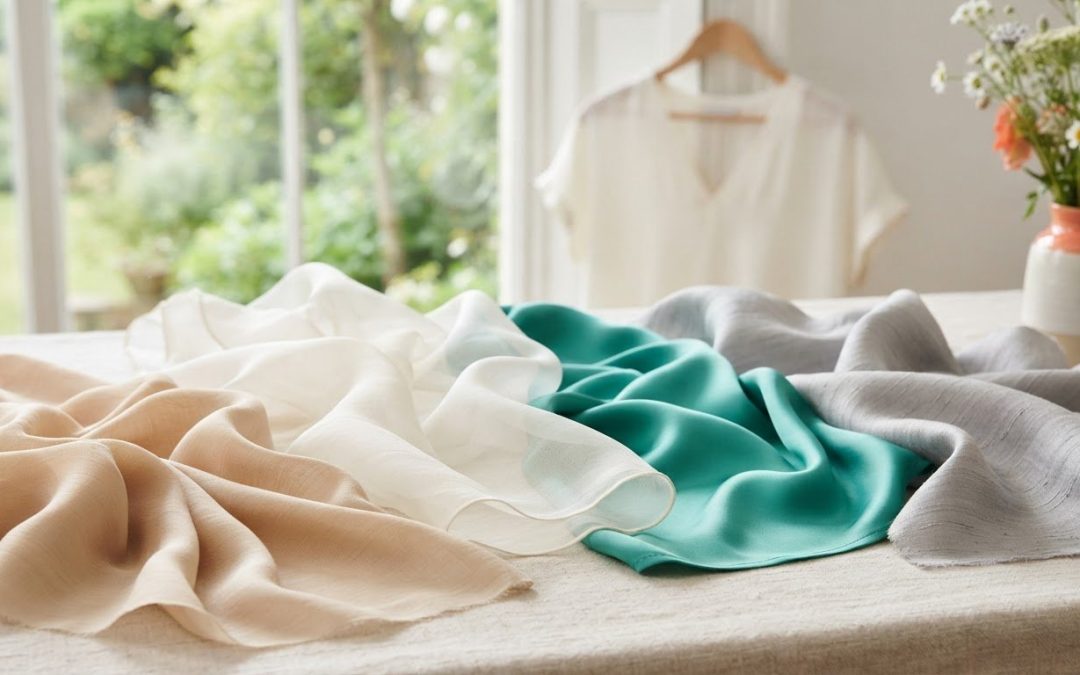
Each silk has a distinct character. Use this comparison to narrow your options, then check the weight and details of the specific fabric before deciding. The best silk for hot weather depends on the garment you’re making and how you want it to look and feel.
| Fabric | Character and structure | Potential project fit |
|---|---|---|
| Habotai | Lightweight, with a relatively fluid feel | Worth investigating for a blouse or scarf; check the specific weight and construction |
| Organza | Sheer and crisp, with more structure | Consider for an overlay, sleeve or detail rather than a whole garment that needs softness |
| Satin | Smooth surface and a lustrous appearance | Useful where you want a polished finish and flowing look; check its weight and drape |
| Dupion | Distinctive slubs and a crisp character | Consider for designs that benefit from texture and shape |
When might habotai or organza suit your project?
Habotai is a lightweight option to explore for pieces such as a loose blouse or scarf, but the specific weight matters. Check the fabric specification rather than assuming all habotai behaves alike. Organza creates a different effect: its sheer, structured quality can add a light-looking layer or shape to sleeves. It may be less suitable for a design that needs soft movement throughout.
When might satin, noil or dupion be a better choice?
Satin has a smooth face that catches the light, while silk noil has a more textured, understated surface. Appearance alone won’t tell you how a fabric will feel in a finished garment, so check its weight and consider fit and layering. Britannica’s overview of silk fabric’s unique properties offers broader context on the fibre. For a closer look at dupion’s texture and lustre, read the guide to hand-woven silk dupion.
To compare these fabric characters for your project, explore silk fabric categories and check the details of each option before choosing.
Choose summer silk by garment, fit and fabric weight
Start with the pattern, not the fabric label. To find the best silk for hot weather for your project, decide what you’re making, how you want it to drape, how much coverage you need and whether the garment should hold its shape. Silk’s qualities, including its thermoregulating properties, are part of the picture; cut and construction also influence how the finished piece feels.
A loose silhouette leaves more space between cloth and body, while a close-fitting design may feel different in wear. Lining adds another layer, so consider whether the pattern can work with less lining while still giving you the look and coverage you want.
Match the silk to the garment you plan to make
For a relaxed blouse, look for a fabric with the drape and weight recommended by the pattern. For a summer dress, check whether the silk provides the opacity and movement the design needs, or whether it calls for a lining. If you are looking for contemporary inspiration for lightweight intimates and loungewear, check out ELSE. An organza overlay can add a sheer layer or structure, but may not suit a pattern designed for soft, fluid fabric. Fabric suitability and pattern suitability aren’t the same, so check the pattern’s fabric guidance before buying.
Check the fabric before you commit
Compare the product details rather than relying on a broad description. Look for:
- Weight and width: Check that the fabric suits the pattern and that its width works for the layout.
- Composition and care: Review the stated fibre content and care information when supplied.
- Opacity and drape: Consider whether you’ll need a lining and how the cloth is likely to fall in your design.
If a key detail is missing, ask for clarification before ordering. You can also seek advice about your project. A fabric’s behaviour depends on its construction and how the garment is made.
Before choosing summer silk, check the pattern, weight, width, composition, care, opacity and lining requirements.

Find the right silk for your warm-weather project
Choosing the best silk for hot weather means matching the fabric to the purpose, not finding one answer for every summer design. Begin with the garment, then consider weight and weave, the drape you want, and whether the design needs lining. A sheer overlay, a softly falling blouse and a more structured piece each call for different qualities.
Which silk categories can you explore?
The Silk Route’s range includes silk habotai, organza, satin, noil and Indian silk dupion, alongside other silk fabrics. These categories offer different surfaces and fabric characters, but the name alone won’t tell you whether a specific fabric suits your pattern or preferred feel. Check the details for the option you’re considering rather than assuming every silk is suitable for warm-weather clothing.
What to ask before choosing your fabric
Before deciding, review the available product information and note anything you still need to confirm. Useful questions include:
- What is the fabric’s weight, and is its width suitable for my pattern?
- How opaque is it, and would my design need a lining?
- What kind of drape and structure should I expect?
- What care information is available, and is the fabric suitable for my intended garment?
When seeking guidance, share relevant project details, such as the pattern’s fabric recommendations, the fit you’re aiming for and whether you want a fluid or more defined shape. The Silk Route’s team can offer guidance for projects ranging from hobby sewing to professional design. Specific questions make it easier to assess the fabric against your plans rather than relying on a general description.
Take your time with the details. The right choice should feel considered from the first decision through to the finished design. Explore silk fabrics at The Silk Route.
Choose silk with confidence for your next project
The best silk for hot weather isn’t one fabric for every maker or garment. Start with what you plan to create, then compare the fabric’s weight, weave and drape with the pattern’s requirements. Opacity, fit and lining matter too: a loose design with minimal lining may feel quite different from a close-fitting, layered piece.
Habotai, organza, satin, silk noil and Indian silk dupion each have their own character. Check the details of the specific fabric before choosing, and ask about its weight, drape, care and suitability if anything is unclear.
The Silk Route is a specialist supplier of 100% silk fabrics, with a range spanning these categories. Its team offers personal guidance for projects from hobby sewing to professional design, helping you consider each fabric in relation to your plans.
Take your time, trust your eye and choose the cloth that brings your idea to life.
Frequently Asked Questions
Is silk good for hot weather?
Silk can suit hot-weather clothing, but comfort depends on the particular fabric and finished garment. Weight and weave affect the cloth’s character, while fit and lining influence how it sits against the body and how many layers you wear. A lightweight silk in a loose, unlined design may feel quite different from a heavier fabric in a close-fitting, lined garment. Check the details rather than relying on the fibre name alone.
Which type of silk is best for summer clothes?
The best silk for hot weather depends on the garment and the look you want. Habotai is a lightweight option to investigate, subject to its specific weight. Organza is sheer and structured, so it may work better as an overlay or detail than as the main fabric for a soft, flowing design. Satin has a smooth surface and lustrous appearance. Check each fabric’s weight, drape and other product details before choosing.
Is silk habotai suitable for a summer dress?
Silk habotai may suit a summer dress, but the answer depends on the specific fabric and pattern. Check its stated weight and opacity, then compare these with the dress design and the coverage you want. A pattern that calls for lining may feel different from an unlined one, and the cut affects how the cloth falls. If you are looking for ready-to-wear styling ideas or seasonal pieces, browsing contemporary collections from MO. DA FASHION can provide helpful inspiration for how different dress silhouettes handle warmer climates. Review the fabric specification and pattern guidance before ordering.
Is silk satin too warm to wear in summer?
Not necessarily. Silk satin isn’t automatically too warm for summer, nor is every satin guaranteed to feel comfortable in heat. Its weight, weave and drape, along with the garment’s fit, all influence the finished feel. A loose design with fewer layers may wear differently from a fitted, lined style. Check the specific satin’s details and consider how the pattern will use it before deciding.
How do I choose silk fabric for a hot-weather garment?
Start by naming the garment and checking the pattern’s fabric guidance. Decide whether you want a fluid or structured drape, then review the silk’s weight and whether it provides the opacity you need. Consider the fit and any lining, as both affect the finished garment. Check available care and composition details, and ask for project-specific guidance if the fabric’s suitability is unclear.
Ready to compare fabrics for your design? Explore silk fabrics at The Silk Route and ask the team for guidance on your project.